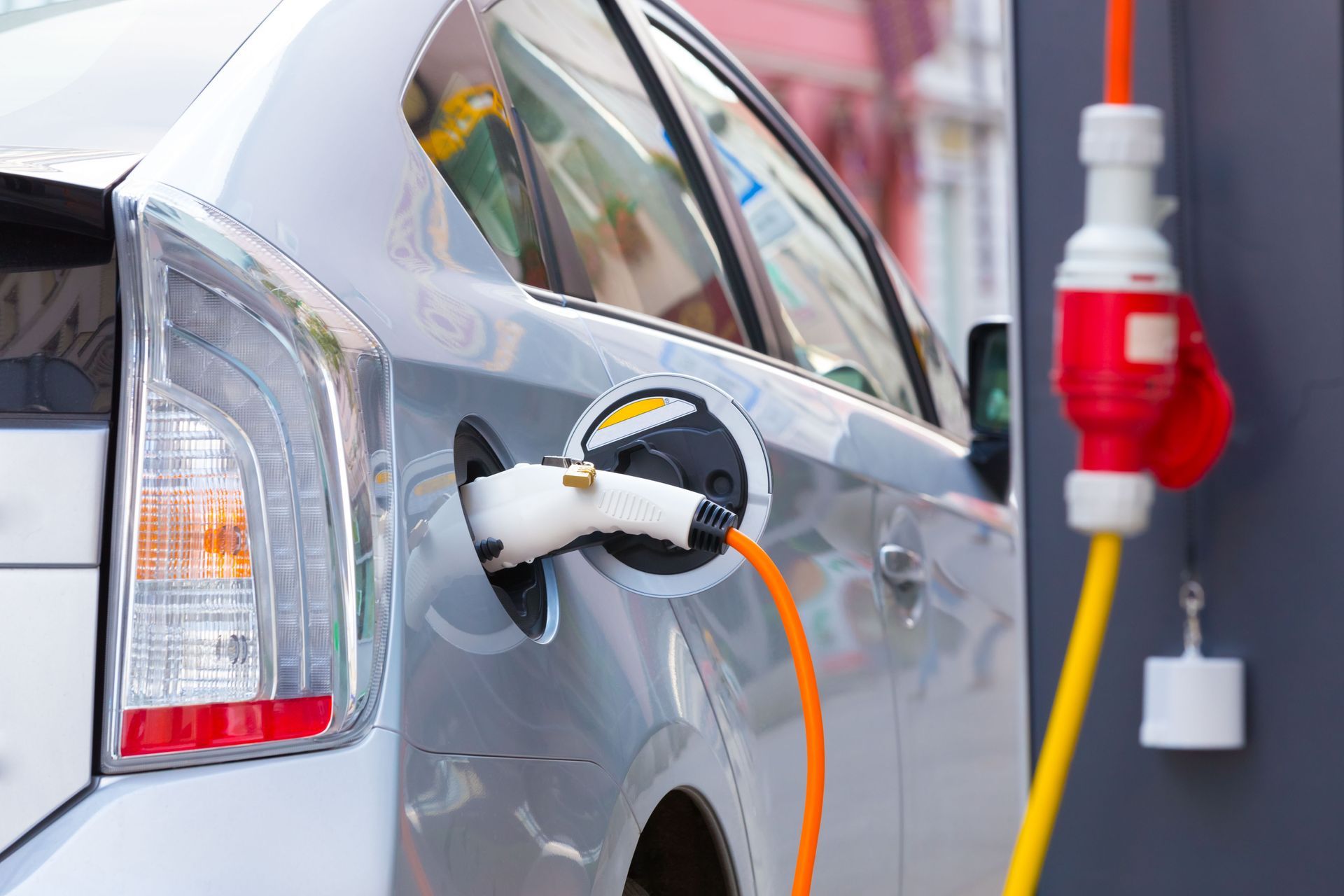
The transition to electric vehicles transforms how society views personal transportation. Drivers abandon traditional fuel stations, seeking modern solutions for daily energy needs. A permanent home EV charger offers the most logical step for sustainable vehicle management. Owning an electric automobile introduces profound shifts in routine, demanding reliable infrastructure right in the residential garage. Residents with dedicated charging equipment experience seamless transitions from gasoline dependence to electric freedom, embracing a lifestyle free from fossil fuels.
Exploring the advantages reveals profound impacts on daily life. From undeniable financial savings to unmatched convenience, upgrading residential energy systems provides extensive, long-lasting value. People discover that leaving the driveway with a full battery each morning eliminates range anxiety and streamlines morning commutes.
Maximizing Convenience Through Daily Sessions
Relying on public charging infrastructure involves unpredictable wait times and inconvenient detours during busy days. Drivers seeking commercial stations might encounter broken equipment or occupied stalls, complicating simple errands. Bypassing public networks becomes possible when residential equipment enters the equation. Property owners gain complete control over energy replenishment schedules. Vehicles plug in during the evening and reach maximum capacity by sunrise without any additional effort.
This predictable routine mimics the ease of plugging in a mobile telephone before sleep. The necessity for deliberate stops at fueling locations vanishes from the weekly schedule. Installing a home EV charger restores precious leisure hours back to the busy vehicle owner. Families no longer coordinate schedules around stressful battery depletion alerts. The automobile simply rests in the garage, absorbing energy while occupants sleep, work, or relax inside the house.
Harsh weather conditions highlight the immense convenience of indoor or private driveway power access. Braving freezing rain, heavy snow, or extreme heat to operate heavy public cables proves unpleasant. Residential setups keep users sheltered and comfortable throughout the year. Maneuvering personal vehicles within familiar driveways reduces stress compared to navigating cramped, chaotic commercial parking lots. The private environment fosters a superior ownership experience devoid of external hassle.
Consistency remains the most valuable asset provided by residential power stations. Knowing the exact condition and availability of the equipment provides immense peace of mind for daily commuters. Public networks undergo maintenance without warning, leaving weary travelers stranded. Private infrastructure guarantees readiness at all times. Automobile owners dictate the charging pace, ensuring their transportation stands prepared for any unexpected journey that arises throughout the week.
Realizing Savings Through Off-Peak Rates
Financial advantages represent a major motivation for integrating a home EV charger into a standard residence. Utility companies offer specialized tariffs designed for electric automobile owners. These programs feature reduced electricity prices during nighttime hours when grid demand drops. Savvy homeowners schedule their equipment to activate during these inexpensive periods, lowering the cost per mile driven compared to standard retail electricity rates.
Commercial stations must generate profit, meaning users pay premium prices for public energy access. These public rates rival traditional gasoline costs, diminishing the financial appeal of electric transportation. Residential electricity, purchased from the grid, lacks middleman markups or service fees. The savings accumulate over months of ownership, offsetting the initial purchase price of the charging hardware and the associated professional installation labor.
Integrating solar panels magnifies these tangible financial benefits. Property owners generating their own solar energy can route that power into their parked vehicles. This brilliant synergy transforms sunshine into driving range, eliminating fuel costs over the lifespan of the vehicle. The initial investment in renewable infrastructure yields long-term dividends that public charging networks can never match. Energy independence shields drivers from volatile market price fluctuations.
Subsidies and rebates provide additional economic incentives for prospective equipment buyers. Governments and local utility providers distribute generous grants to encourage residential charging adoption. These programs lower the barrier to entry, making sophisticated equipment accessible to broader demographics across various income levels. Careful research uncovers local incentives that minimize upfront expenditure, accelerating the return on investment and securing lasting financial relief for smart electric vehicle operators.
Enhancing Value Through Property Additions
Real estate markets respond to modern technological upgrades. Buyers prioritize properties equipped to support electric transportation. Homes lacking such infrastructure may linger on the market, while residences with dedicated charging capabilities attract immediate attention from qualified purchasers. Upgrading the garage transforms a standard property into a forward-thinking, valuable asset. The installation signals to potential buyers that the house accommodates future technological demands without requiring immediate renovations.
Preparing a residence for high-capacity electrical output involves substantial electrical work. According to Electrical Safety Foundation International, 65% of electric vehicle owners need to upgrade their electrical panel when installing an EV charger. This specific structural improvement fortifies the entire household electrical system. A modernized panel supports numerous contemporary appliances beyond just the automotive station, adding intrinsic, long-lasting value to the entire dwelling.
Prospective homebuyers recognize the expense and effort associated with heavy electrical modifications. Finding a house where a prior owner completed the heavy lifting creates massive appeal for house hunters. A functional home EV charger serves as a premium amenity, similar to upgraded kitchen appliances or smart thermostat systems. The property distinguishes itself in competitive markets, commanding higher offers from tech-savvy buyers unwilling to manage renovations themselves.
Renters seek out properties with vehicle charging accommodations. Landlords installing these dedicated stations can demand premium rental rates and secure longer, stable lease agreements. Tenants possessing electric cars face limited housing options and will remain loyal to properties fulfilling their crucial charging requirements. Whether selling or leasing, the addition of dedicated vehicle infrastructure strengthens the financial position of the visionary property owner.
Promoting Sustainability Through Green Energy
Environmental stewardship motivates many conscious consumers to abandon combustion engines. However, the source of the electricity matters when evaluating the true ecological impact of driving. Public stations draw from the standard municipal grid, which relies on polluting fossil fuels. Managing power consumption at a private residence allows for deliberate, eco-conscious energy sourcing. Residents can select green energy suppliers offering clean wind or solar power options.
Operating a home EV charger during periods of high renewable generation maximizes environmental benefits. Utility providers sometimes signal when the grid runs on surplus wind or solar energy. Smart residential equipment communicates with the grid, activating when clean power floods the system. This intelligent synchronization ensures the vehicle runs on the most sustainable energy available in the region, minimizing the carbon footprint of daily commutes.
Stationary battery storage systems complement residential vehicle equipment. Homeowners capture clean energy during the daytime and store it in stationary wall batteries. This stored green power then transfers to the automobile battery during the dark night. Such closed-loop systems minimize reliance on dirty power plants. The residence operates as a miniature, self-sustaining energy hub dedicated to clean transportation and environmental preservation.
Widespread residential adoption reduces the critical strain on public infrastructure during peak hours. Decentralizing power distribution prevents catastrophic grid failures and lessens the emergency need for high-pollution generator plants. Every private station contributes to a balanced, resilient, and robust electrical network. Communities fostering localized charging solutions demonstrate a clear commitment to breathable air, quiet neighborhoods, and a stable climate for future generations to enjoy.
Adopting electric transportation requires rethinking ingrained fueling habits. The shift moves energy procurement from commercial plazas back to the safety of the private driveway. Integrating a home EV charger completes this essential transition, offering unparalleled convenience and distinct financial advantages. Property values rise while environmental impacts shrink, creating a multitude of positive benefits that extend far beyond simple, everyday vehicle operation. At Koenig Electric LLC, we want to help you unlock the full potential of your electric vehicle with a custom home EV charger installation. Reach out to our team today to schedule your consultation and secure your own personal fueling station.